

The Reality of Life After Surgery
You spend the first few weeks noticing how your body reacts to food. A heavy meal might leave you feeling bloated or restless. This is the most common reality after surgery. Most people find that their digestion settles back into a familiar rhythm within a month or two. The body is not broken; it is simply learning a new way to manage bile.
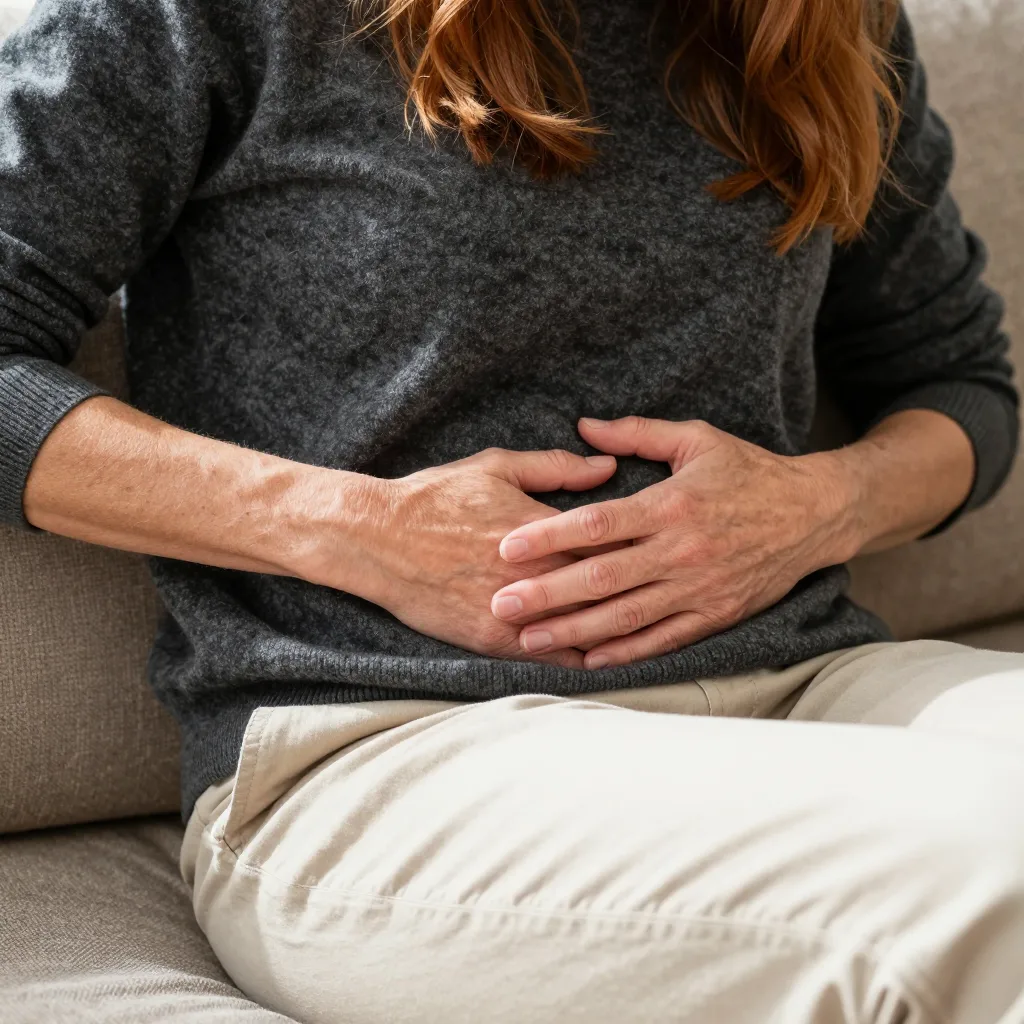
Without the gallbladder, bile drips continuously into your gut rather than being stored for a big meal. Your system adapts by releasing it in smaller amounts when you eat. This change feels normal for the vast majority of people. Large-scale reviews of over three million patients show that gallbladder removal does not increase the risk of irritable bowel syndrome. Your gut is not at higher risk of developing chronic functional issues just because the surgery happened.
It is normal to feel unsure during the transition. You might worry about what comes next or whether this discomfort is permanent. The truth is usually straightforward. Your digestive tract is highly adaptable. It adjusts to the new flow of bile without needing complex intervention. For most, life returns to normal quite quickly.
Is Your Gut at Higher Risk?
Is Your Gut at Higher Risk?
You worry that removing your gallbladder might trigger Irritable Bowel Syndrome. It is a common fear, but the evidence offers genuine reassurance. A systematic review and meta-analysis covering 3.5 million participants found no statistically significant difference in the odds of developing IBS between those who had surgery and those who did not. This large body of data suggests that your digestive tract is not inherently more vulnerable to this condition simply because the organ is gone. You do not need to live with the assumption that your gut health is now permanently compromised. The link between the surgery and functional bowel disorders is not supported by high-quality evidence on this scale. Most people adapt without developing these chronic issues. Your anxiety is understandable, but it is not backed by the numbers. The data indicates that your risk remains similar to the general population. This means you can focus on gradual adaptation rather than preventing a predicted outcome. Your body has handled bile storage and release differently for decades. It will continue to manage the flow with remarkable resilience. Trust the evidence to calm the immediate worry, then look at the practical steps for long-term comfort.
Understanding Postcholecystectomy Syndrome
You might notice that occasional bloating or loose stools persist longer than you expected. It feels frustrating when simple dietary tweaks do not shift the pattern. While your risk of developing irritable bowel syndrome remains low, a small number of people do experience ongoing digestive discomfort after surgery. This cluster of symptoms is known as Postcholecystectomy Syndrome.
Recent analysis of nearly three thousand patients suggests this affects roughly three in every hundred people. The odds are higher if you faced serious complications or inflammation before the operation. The data comes from observational studies, so it shows association rather than direct cause. It does not mean your current symptoms signal a problem, but it explains why some days feel harder than others.
Bile continues to drip into your gut without the gallbladder’s storage buffer. This constant flow can irritate the lining if large fatty meals arrive too quickly. Your body adapts by changing how it moves food through the intestines. That adaptation takes time and varies between individuals. You are not alone in noticing these shifts, even if they are rare overall. Trust that gradual changes in how you eat often bring steadier comfort than quick fixes.
Simple Steps for Bile and Motility
Bile no longer sits in a reservoir ready for a big meal. It drips continuously into your gut, which means heavy fats can overwhelm the system if you eat them in one go. You can work with this steady flow by slowing down. Taking your time to chew allows your body to prepare for what is coming. This simple habit reduces the shock to your intestines. It also helps you notice fullness before you feel bloated.

Hydration plays a quiet but vital role here. Water helps keep the bile thin and moving smoothly. If your fluid intake is low, everything moves more sluggishly. Aim for steady sips throughout the day rather than large glasses with meals. This approach supports digestion without diluting stomach acid.
Gentle movement aids motility more effectively than intense exercise in the early weeks. A short walk after eating encourages peristalsis. A recent study tracked step counts and found that daily activity improved recovery quality and reduced pain. You do not need to run miles. Thirty minutes of walking, spread across the day, is enough. This gentle nudge helps clear the backlog of food and bile before discomfort sets in.
- Chew slowly
- Sip water steadily
- Take a short walk
Preventing Pancreatitis Recurrence
You might worry about a return of that deep, radiating pain that precedes the crisis. It is a valid fear. The good news is straightforward. If you are facing surgery for gallstone-related pancreatitis, timely intervention offers strong protection. A systematic review covering over seventeen thousand hospitalised patients confirmed that removing the gallbladder during or soon after the initial hospital admission effectively reduces the risk of recurrent attacks. This applies to mild-to-moderate cases where guidelines recommend early surgery. Delaying the procedure often leaves you vulnerable to another episode. For those with a history of chronic issues, this approach also helps prevent further flare-ups. The evidence here is robust. It suggests that adhering to guideline-recommended timing is one of the most reliable ways to close the door on recurrence. Of course, this applies specifically to those managing active biliary conditions. If your journey has already passed this stage, this reassurance is less immediate. Yet it reinforces the broader safety profile of the procedure when performed correctly. You are not left without answers. The data supports early action as a effective strategy to halt the cycle.
Recognising Rare Long-Term Events
You might notice a dull ache in your right upper side months later, and wonder if the stone has returned. In very rare instances, this is exactly what happens. A few case reports describe stones forming in the small remnant of the cystic duct left behind after surgery. One report involved a man in his forties who felt pain six months after his operation. The stone sat in that leftover stump, mimicking the very symptoms he had hoped to escape. It is an anatomical quirk, not a failure of your body.
Even more remote is the possibility of a bowel obstruction appearing many years down the line. One documented case involved a man in his eighties who presented with a blockage sixteen years after his gallbladder was removed. Doctors suspected a persistent pathway from old inflammation had allowed a stone to travel and lodge in the intestine. This is not something that develops overnight or through anything you have done wrong. These are exceptional events. Most people live without them, but knowing the landscape helps you distinguish between normal adaptation and the rare complications that need a professional to look at them.
When to Seek Professional Guidance
You spend the first week noticing how your body reacts to a simple walk. A systematic review of over three and a half million people shows that gallbladder removal does not increase your risk of irritable bowel syndrome. This means the bloating or irregularity you feel is likely an adjustment period, not a new chronic condition. Most digestive changes settle as your bile ducts widen and take over storage duties. However, a small minority experience persistent pain or fever. These symptoms suggest Postcholecystectomy Syndrome or a retained stone in the duct. If you have right upper quadrant pain that worsens after fatty meals, or if you develop a fever, seek medical help promptly. These are not lifestyle issues. They require imaging and professional assessment to rule out complications like a cystic duct remnant or stump stones. For general discomfort, focus on small, frequent meals rather than large ones. This reduces the load on your continuous bile flow. If your symptoms include severe vomiting or jaundice, do not wait for them to pass. These are clear signals that your body needs clinical support immediately. Keep a simple log of what you eat and how you feel for two weeks. This helps you distinguish between normal adaptation and issues that need a doctor’s eye.

Building Confidence in Your New Normal
You spend the first few months learning to trust your body again. The large-scale evidence is reassuring here. More than three and a half million people have been reviewed, and removal of the gallbladder does not increase your risk of irritable bowel syndrome. That number should settle the quiet anxiety that something is fundamentally broken inside you. You are not part of a rare statistical error.
It is normal to still feel unsure. A small minority do experience ongoing digestive discomfort, known as Postcholecystectomy Syndrome, but that is the exception, not the rule. Most of us simply adapt. Your liver continues to make bile. Your gut continues to learn. You do not need to wait for a sudden epiphany to feel normal. The shift is usually gradual, marked by small victories like eating a meal without worry or sleeping through the night.
Build confidence through consistency. Keep your meals modest. Move gently when you can. Listen to what your body tells you rather than fighting it. You are not alone in this. Many people navigate these changes with quiet patience and find that their new normal is comfortable enough.
If you would like help making sense of any of this, you can message your Vitalife Clinic coach.
The research behind this article (16)
Each one is linked so you can read it yourself. Research moves on, and a study is evidence rather than instruction: a Vitalife coach can help you weigh what any of it means for you.
- Effectiveness of Guideline-recommended Cholecystectomy in Preventing Recurrent Acute and Chronic Pancreatitis: A Systematic Review
- Cholecystectomy and Irritable Bowel Syndrome: A Systematic Review and Meta-Analysis of 3,511,681 Patients
- Efficacy and Safety of Ibuprofen for Pain Resolution After Laparoscopic Cholecystectomy: A Systematic Review and Meta-Analysis
- Incidence risk and risk factors for postcholecystectomy syndrome: A systematic review and meta-analysis
- Back to the battlefield: minimally invasive management of postcholecystectomy remnants: a systematic appraisal of safety and efficacy
- The effect of step count on pain and quality of recovery after cholecystectomy: a prospective observational cohort study
- Open Cholecystectomy in a Patient With Situs Inversus Totalis and Symptomatic Cholelithiasis: A Case Report
- Cholecystectomy vs Endoscopic Retrograde Cholangiopancreatography or No Intervention After Gallstone-Related Acute Pancreatitis
- Role of Routine Preoperative Upper Gastrointestinal Endoscopy in Symptomatic Cholelithiasis: A Prospective Observational Study
- Mucosal stripping cholecystectomy as a novel bailout procedure when subtotal cholecystectomy is not feasible: a case report
- Cystic Duct Remnant Leading to Stump Cholelithiasis
- Gallstone ileus 16 years postcholecystectomy?
- Retained gallstone as a rare cause of recurrent fistula in the scar after laparoscopic cholecystectomy
- Laparoscopic cholecystectomy for triple gallbladder malformation: A comprehensive case report and literature review
- Impact of Surgical Timing on Outcomes of Laparoscopic Cholecystectomy for Acute Calculous Cholecystitis: A Multicenter Real-World Analysis
- Laparoscopic subtotal cholecystectomy for difficult gall bladder disease: Outcomes of a reconstituting technique at a tertiary care centre